 Business License

Seawater Electrochlorination Technology:An Efficient Water Treatment Solution Empowering Brazilian
Against the backdrop of the global energy structure transitioning towards cleanliness and low carbon, nuclear power, as a stable and reliable clean energy source, is crucial for safe operation. For Brazilian nuclear power plants located along the coast, water quality management of the cooling system is a core link in ensuring equipment safety and improving operational efficiency. The application of seawater electrochlorination technology provides an efficient and economical solution to this problem, serving as a key technical support in the water treatment field of Brazilian nuclear power plants.
I. Technical Principle: Electrolytic Conversion to Build a Sterilization Barrier
Seawater electrochlorination technology uses inexhaustible seawater as raw material. Through electrolysis, it converts chloride ions in seawater into chlorine-based substances with strong oxidizing properties, thereby achieving efficient sterilization of microorganisms in water.
Its core reaction process takes place in the electrolytic cell. At the anode, chloride ions lose electrons and undergo an oxidation reaction to generate chlorine gas. At the cathode, water molecules gain electrons and undergo a reduction reaction to produce hydrogen gas and hydroxide ions. The generated chlorine gas further reacts with water to form chlorine-based substances such as hypochlorous acid and hydrochloric acid. These substances can quickly destroy the cell structure of microorganisms, effectively preventing their growth and reproduction in the cooling system of nuclear power plants, and building a solid "health barrier" for equipment operation.
II. Core Advantages: Highlighting Technical Value from Multiple Dimensions
1. Significant Cost Advantages
Seawater, as the core raw material for technical application, has the characteristic of unlimited supply, eliminating the need for additional procurement and storage of chemical agents. Compared with traditional chemical agent treatment methods, it significantly reduces the costs of raw material procurement, transportation, and storage, demonstrating prominent long-term operational economy.
2. Convenient and Efficient Operation
This technology features a high degree of automation and can realize continuous operation and remote monitoring. Workers do not need to perform frequent manual operations, which not only reduces the possibility of human error but also lowers operational complexity, enabling more efficient guarantee of stable system operation.
3. Reliable Treatment Effect
Chlorine-based substances have a fast sterilization speed and a wide range, which can effectively kill various microorganisms such as bacteria and algae in cooling water. The water quality after treatment can stably meet the strict standards of the nuclear power plant cooling system, fundamentally avoiding equipment failures caused by microbial growth and ensuring the safe and stable operation of nuclear power equipment.
III. Application in Brazil: Adapting to Local Conditions to Solve Nuclear Power Cooling Problems
1. Application Background: Coastal Location Creates Natural Conditions
Most nuclear power plants in Brazil are located in coastal areas. For example, the Angra Nuclear Power Plant is situated in Angra dos Reis, Rio de Janeiro State. The abundant seawater resources provide natural convenience for the application of seawater electrochlorination technology, eliminating the need for additional laying of long-distance water pipelines and reducing the initial investment in technical application.
2. Practice in Angra Nuclear Power Plant: Full-Link Guarantee for the Cooling System
In the cooling system of the Angra Nuclear Power Plant, seawater electrochlorination technology is mainly applied in the circulating water link and the pre-treatment link.
In terms of application effects, the microorganisms in the cooling system of the Angra Nuclear Power Plant have been effectively controlled, the formation of biofilms has been significantly inhibited, and the heat transfer efficiency of the cooling system has been greatly improved. At the same time, equipment corrosion caused by microbial growth has been significantly reduced, equipment maintenance costs have decreased by approximately 20%, the replacement frequency has dropped, and the service life has been significantly extended.
IV. Addressing Challenges: Technological Optimization and Environmental Protection in Parallel
1. Confronting Two Core Challenges
2. Targeted Solutions
V. Future Outlook: Technological Upgrading and Global Popularization
With Brazil's emphasis and development of nuclear power energy, more nuclear power plants may be built in the future. As an efficient, economical, and environmentally friendly water treatment technology, seawater electrochlorination technology is expected to be more widely applied in newly built nuclear power plants in Brazil and also has the potential to be promoted to coastal nuclear power plants around the world.
In terms of technological innovation, this technology will make breakthroughs in improving electrolysis efficiency, reducing energy consumption, and minimizing environmental impact. For example, developing new electrode materials to extend the service life of electrolytic devices and improve electrolysis efficiency; optimizing the electrolysis process to reduce operating energy consumption and costs. In addition, combining seawater electrochlorination technology with other water treatment technologies such as membrane separation can further improve the water treatment effect and water quality of nuclear power plants, providing more comprehensive guarantees for the safe and stable operation of nuclear power.

Contact Us
Recommended Products
-
 Sodium Hypochlorite Naclo Generator (5%-15%)US$ 10000 - 100000MOQ: 1 Set
 -
12% High Concentration Sodium Hypochlorite Generator for Water TreatmentUS$ 50000MOQ: 1 Combo
-
1000ppm Medical Grade Hypochlorous Acid Anolyte GeneratorNegotiableMOQ: 1 Set
-
Poultry Farm Application 1500ppm Hypochlorous Acid Water Disinfection TechnologyNegotiableMOQ: 1 Set
-
Hot Selling Laundry Wastewater Treatment Plant MBBR Sewer Wastewater Treatment PlantUS$ 50000 - 300000MOQ: 1 Combo
-
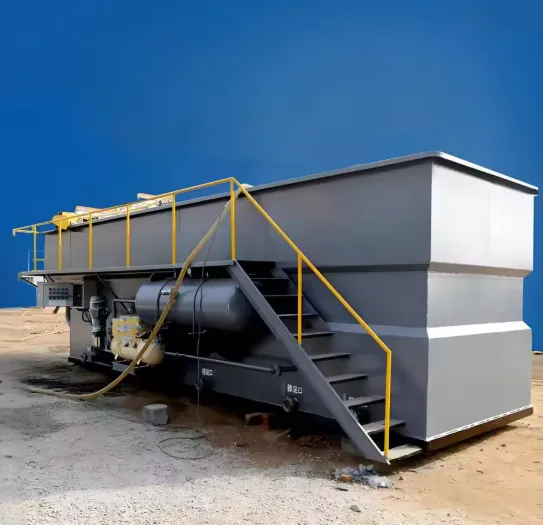
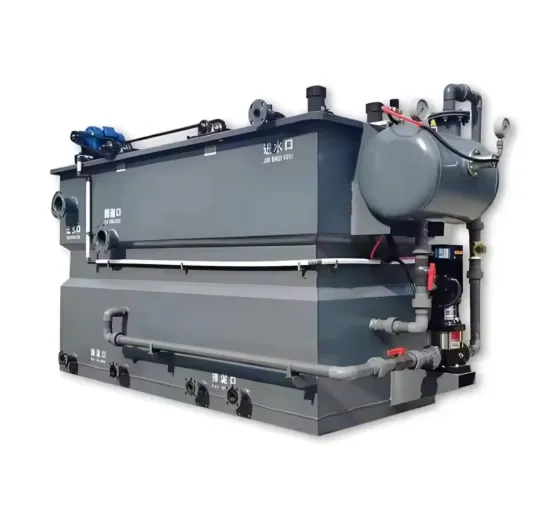
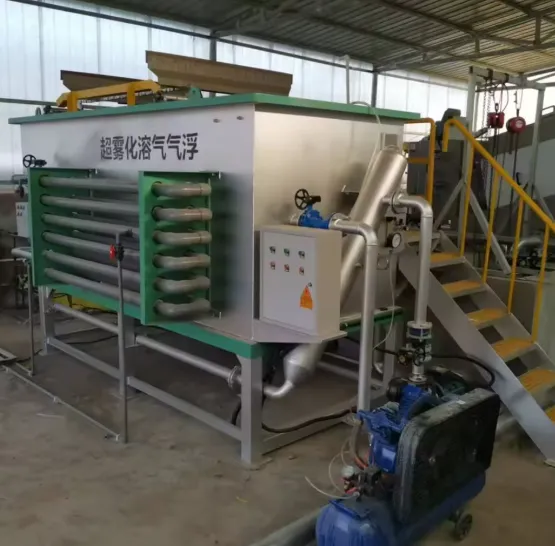
Chemical Production Wastewater Treatment Equipment, Dissolved Air Flotation MachineUS$ 50000 - 300000MOQ: 1 Combo
-
Chemical Production Wastewater Treatment Equipment, Dissolved Air Flotation MachineUS$ 50000 - 300000MOQ: 1 Combo
-
BHM-60 Surface Cleaning HOCL MachineNegotiableMOQ: 1 Set
-
Hypochlorous Acid Water Generator Water SidinfectionUS$ 400MOQ: 1 Set
-
Industrial Mbr Mbbr Container Treatment Plants, ETP, STP, Pwt, Wwpt Packaged Wastewater Treatment PlantsUS$ 50000 - 300000MOQ: 1 Combo
-
Food Waste Water Treatment Plant Dissolved Air Flotation (daf System)US$ 5500MOQ: 1 Combo
-
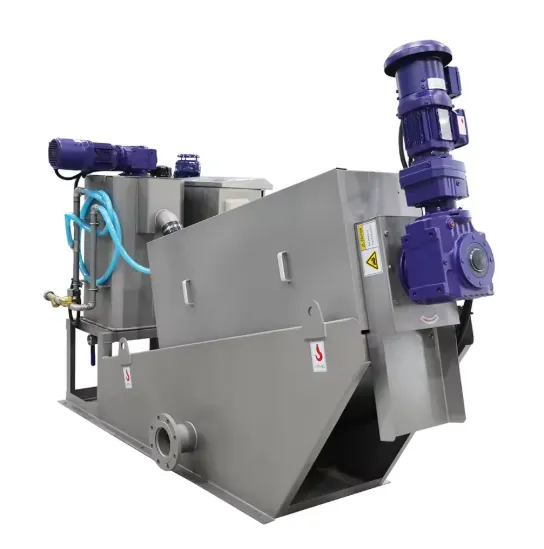
Stainless Steel Multi-Plate Sludge Press Equipment for Municipal Waste Water Treatment PlantNegotiableMOQ: 1 Combo
-
Food Grade Anolyte HOCL GeneratorNegotiableMOQ: 1 Set
-
Anolyte HOCL Generator 500ppm 800ppm 1000ppmNegotiableMOQ: 1 Set
-
BHE Clean Hocl Machine- Hypochlorous AcidNegotiableMOQ: 1 Set
-
Industrial Mbr Mbbr Container Treatment Plants, ETP, STP, Pwt, Wwpt Packaged Wastewater Treatment PlantsUS$ 50000 - 300000MOQ: 1 Combo
-
Highly Efficient Wastewater Treatment Equipment /OEM/ODM Industrial EquipmentUS$ 50000 - 300000MOQ: 1 Combo
-
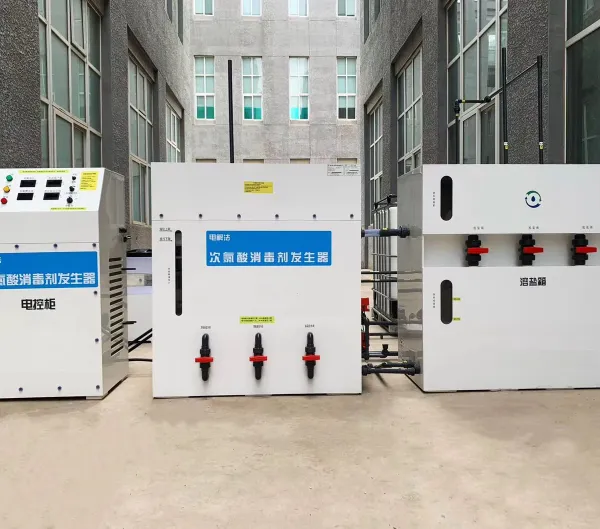
BSHH-200 12% Sodium Hypochlorite Generator|Salt Water Electrochlorination SystemUS$ 50000MOQ: 1 Combo
-
Seawater Electrochlorine SystemNegotiableMOQ: 1 Set
-
On Site Chlorine Gas GeneratorNegotiableMOQ: 1 Set