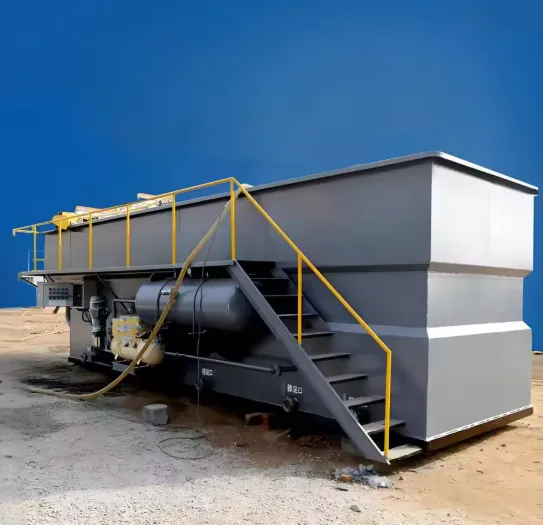
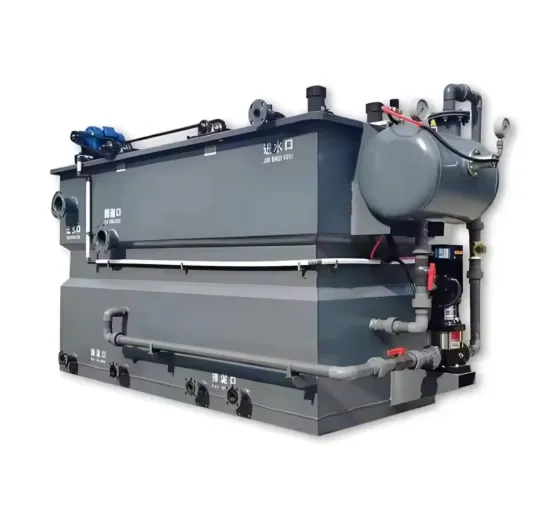
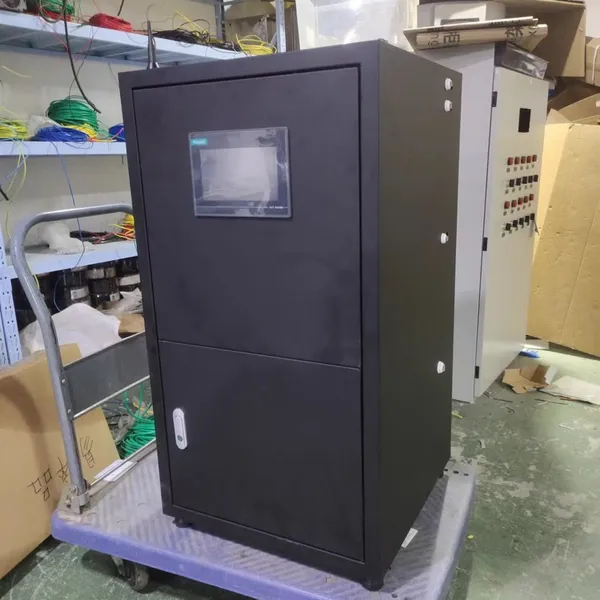
In today's era of accelerated globalization and urbanization, cities have become the core carriers of human civilization progress, gathering economic vitality, innovative resources, and cultural charm. However, the surge in population and industrial expansion have also plunged cities into multiple predicaments - the shortage of water resources, prominent public health risks, and damaged ecosystems. These issues collectively test the wisdom and capabilities of urban governance. Against this backdrop, wastewater treatment is no longer a simple "water management" project, but has transformed into a multi-functional pillar of urban management. It comprehensively safeguards the sustainable development of cities by ensuring water resource circulation, protecting residents' health, restoring ecosystems, and promoting sustainable economic development.
The shortage of water resources has become a core bottleneck restricting the development of many cities. With the expansion of urban scale, the demand for water in daily life, industry, and agriculture continues to rise. Excessive exploitation of groundwater has led to problems such as land subsidence and a sharp drop in the groundwater level, making the contradiction between water supply and demand increasingly acute. Wastewater treatment injects new vitality into the urban water cycle through "turning waste into treasure", fundamentally alleviating the water crisis.
In terms of water resource recycling, reclaimed water after treatment has become an important supplement to meet the non-drinking water demand of cities. Its cost is lower than that of freshwater, and it is widely used in industrial cooling, municipal greening, and agricultural irrigation. Taking Singapore's "NEWater" program as an example, it treats wastewater to drinking water standards. This not only meets 40% of the country's water demand but also enables this once severely water-scarce country to achieve self-sufficiency in water resources, setting a model for water-scarce cities around the world.
At the same time, the promotion and use of reclaimed water effectively reduce the city's dependence on natural freshwater resources. Using reclaimed water for non-drinking purposes allows precious freshwater resources to be prioritized for residents' daily lives and high-value-added industrial production. This reduces the exploitation pressure on natural water sources such as rivers, lakes, and groundwater, ensuring the long-term sustainable supply of water resources. In addition, untreated wastewater contains a large number of organic matter, heavy metals, and pathogens. If directly discharged, it will seep into the soil, pollute water bodies, and damage freshwater reserves. Wastewater treatment plants efficiently remove pollutants before wastewater discharge, building a solid "protective wall" for urban water sources.
Public health is the foundation of a livable city. Wastewater, especially domestic wastewater, is a "hotbed" for various pathogens and toxic substances, such as Escherichia coli, Vibrio cholerae, and hepatitis viruses. Improper treatment can easily trigger waterborne diseases and threaten the lives and health of residents. Relying on scientific treatment processes, wastewater treatment has become the first line of defense against public health risks.
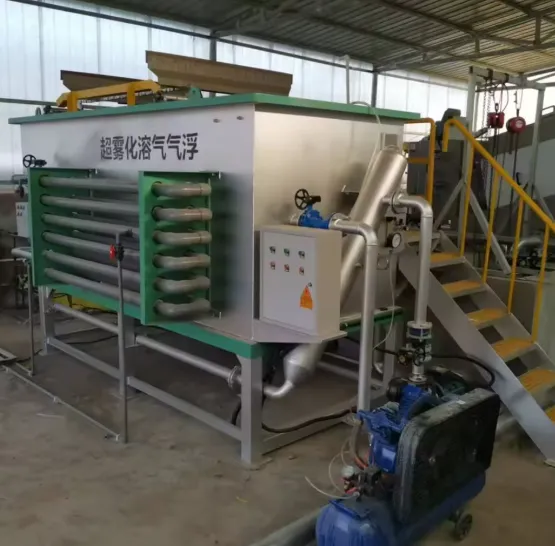
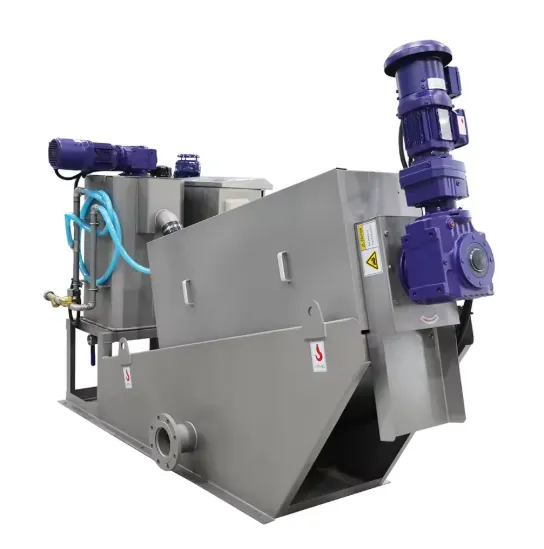
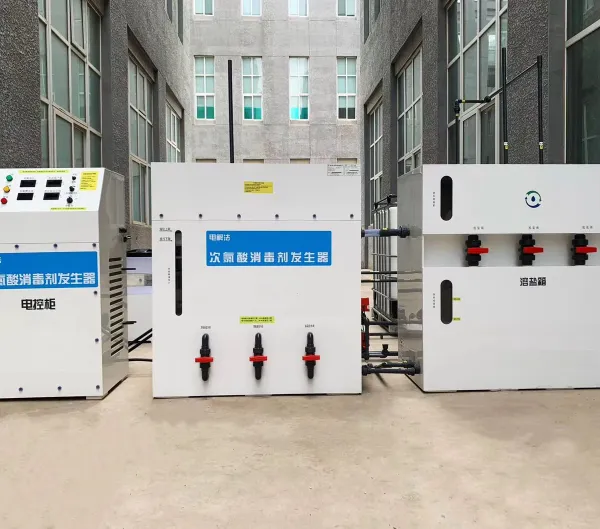
Wastewater treatment plants comprehensively remove harmful components in water through a combination of physical, chemical, and biological processes. Physical processes such as screening and sedimentation can remove suspended impurities in water; chemical processes such as chlorine disinfection and ozone oxidation can effectively kill pathogenic microorganisms; biological processes use microorganisms to decompose organic matter in water, reducing the degree of water pollution. This "combination punch" prevents polluted water from entering public water areas or seeping into groundwater, avoiding residents' infection with diseases due to drinking or contacting polluted water.
For industrial wastewater, it contains heavy metals such as lead and mercury, as well as synthetic chemicals such as pesticides and pharmaceuticals. These substances will accumulate continuously in the human body, inducing chronic diseases such as cancer and organ damage. Nowadays, the application of advanced treatment technologies such as membrane filtration and activated carbon adsorption can accurately remove these toxic substances, minimizing the risk of residents' exposure. In densely populated cities, the sewage system often overflows due to excessive load, polluting streets and residential areas. Through a stable collection and treatment process, wastewater treatment plants maintain the hygiene and cleanliness of the urban environment, reduce the risk of disease transmission, and significantly improve the quality of residents' lives. The case of Mumbai, India is highly persuasive. From 2010 to 2020, the city's wastewater treatment capacity increased from 30% to 70% of the daily sewage output. According to data from the local health department, the incidence of waterborne diseases such as typhoid and diarrhea decreased by 52% accordingly.
Cities do not exist in isolation, and their development is highly dependent on healthy ecosystems. Clean air, stable biodiversity, and normal climate regulation functions are all important supports for the sustainable development of cities. Untreated wastewater is one of the main "culprits" of urban ecological damage. Through reducing pollution discharge, wastewater treatment provides strong support for the restoration and protection of urban ecosystems.
In terms of aquatic ecological protection, untreated wastewater carries a large amount of nutrients such as nitrogen and phosphorus. When discharged into rivers, lakes, and oceans, it will cause eutrophication. Algae in the water multiply wildly, consuming a large amount of oxygen, leading to the death of organisms such as fish and aquatic plants, and forming "dead zones". Wastewater treatment plants can remove more than 90% of the nutrients in wastewater, effectively curbing the trend of eutrophication. China's upgrading and transformation of wastewater treatment plants along the Yangtze River has achieved remarkable results, successfully restoring 200 kilometers of river ecosystems and allowing endangered native fish such as Chinese sturgeon to return.
Soil is a basic resource for agricultural production in and around cities. When reclaimed water that meets safety standards is used for agricultural irrigation and urban greening, it will not bring heavy metals and pathogens into the soil like untreated wastewater. This avoids soil pollution and ensures the long-term fertility of the soil. This is particularly important for cities with farmland around them that rely on local agricultural product supply. It not only safeguards food safety but also maintains the stability of the agricultural ecosystem.
In addition, modern wastewater treatment plants are equipped with advanced screening and filtration systems, which can effectively intercept plastic waste and microplastics in wastewater. If these pollutants enter the environment, they will harm the ecosystem and human health through the food chain. The interception function of wastewater treatment plants reduces plastic pollution and protects the global ecological environment while making the urban environment cleaner.
Sustainable urban management needs to strike a balance between environmental protection and economic development, and wastewater treatment is exactly an important link connecting the two. It can not only reduce the long-term operation cost of the city but also spawn new industrial growth points and enhance the city's attractiveness, injecting strong impetus into sustainable economic development.
For water-intensive industries such as manufacturing and energy production, the cost advantage of reclaimed water is significant. Taking Los Angeles, the United States as an example, factories can save 0.5 US dollars per cubic meter by using reclaimed water. For enterprises with a large amount of water consumption, this can save millions of dollars in operating costs every year. This not only enhances the market competitiveness of enterprises but also attracts more enterprises to settle in, injecting vitality into the city's economic development.
The wastewater treatment industry can also drive the prosperity of the green job market. From the construction of wastewater treatment plants, daily operation and maintenance to the research and development of advanced treatment technologies and equipment manufacturing, the entire industrial chain can create a large number of jobs. According to statistics from the Global Water Resources Institute, every 1 million US dollars invested in wastewater treatment infrastructure can create 15-20 full-time jobs. In Europe, the number of employees in the water and wastewater treatment industry has exceeded 2 million, becoming an important force supporting the local economy and alleviating employment pressure.
At the same time, the environmental improvement brought about by wastewater treatment directly enhances the livability of the city. Clean rivers, good air quality, and a safe public health environment can not only promote the development of the real estate market and increase property value but also attract tourists and high-quality talents. Copenhagen, Denmark is a typical example. By investing heavily in wastewater treatment and river restoration, the city has become one of the most livable cities in the world and a popular choice for multinational enterprises to layout and international talents to flow in, laying a solid foundation for the city's long-term economic growth.
Climate change has intensified the environmental risks faced by cities. Frequent extreme weather events such as droughts, rainstorms, and floods pose serious threats to urban infrastructure, residents' lives, and economic development. Wastewater treatment plays a key role in urban climate adaptation and mitigation actions, helping cities enhance their ability to resist climate risks.
In terms of reducing greenhouse gas emissions, untreated wastewater will undergo anaerobic decomposition in landfills or natural water bodies, producing methane. The greenhouse effect of this gas is 28 times that of carbon dioxide (on a 100-year time scale), intensifying global warming. Modern wastewater treatment plants collect methane generated during the treatment process through "biogas recovery" technology and convert it into electricity or heat energy. The North River Wastewater Treatment Plant in New York City generates biogas every year, which can meet the electricity demand of 2,500 households while reducing carbon dioxide emissions by 90,000 tons, making an important contribution to the city's low-carbon development.
Facing the increasingly frequent drought weather, reclaimed water has become a stable "emergency water source" for cities. During the 2012-2016 drought in California, the United States, cities such as San Diego increased the utilization rate of reclaimed water by 30%. This successfully avoided the implementation of mandatory water-saving measures, ensured the stability of residents' domestic water and enterprise production water, and alleviated the impact of drought on the city's economy and society.
In addition, wastewater treatment plants usually operate in coordination with the urban drainage system. In the event of rainstorms, the efficient wastewater treatment and diversion capacity can effectively prevent sewage overflow, reduce the risk of urban waterlogging, and minimize the damage of floods to infrastructure such as houses, roads, and transportation. The advanced wastewater treatment plant in Rotterdam, the Netherlands, is a core part of the city's "climate-resilient city" strategy. It can treat 800,000 cubic meters of wastewater per day and plays an irreplaceable role in coping with rainstorm floods and ensuring the normal operation of the city.
With the rapid development of digital technology, the construction of smart cities has become the mainstream trend of global urban development, and wastewater treatment has also ushered in a "smart" transformation. The integration of technologies such as the Internet of Things (IoT), big data, and artificial intelligence (AI) has made the wastewater treatment system more efficient and intelligent, further enhancing its strategic value in urban management.
By deploying IoT sensors in wastewater treatment plants, real-time monitoring of key indicators such as water quality, water flow rate, and energy consumption can be realized. AI algorithms conduct in-depth analysis of the monitoring data and can automatically optimize the treatment process. For example, adjusting the dosage of chemicals according to changes in water quality and optimizing the operation mode of equipment based on energy consumption data. This reduces operating costs while improving treatment efficiency and effluent quality.
The smart wastewater treatment system can also seamlessly connect with the city's overall management data platform, providing comprehensive support for urban governance decisions. For instance, when sensors detect an abnormal increase in the content of a certain toxic chemical in wastewater, the system can immediately issue an alarm to the environmental protection department, helping law enforcement personnel quickly locate and investigate industrial enterprises that discharge pollutants illegally, and curb environmental pollution from the source. This data sharing and collaborative linkage make urban governance more accurate and efficient.
Wastewater treatment has long transcended the scope of traditional "public services" and has become a strategic core asset of modern urban management. It is not only the "key" to solving the shortage of water resources but also the "shield" to safeguard public health; it is not only the "tool" to restore the ecological environment but also the "engine" to drive economic growth, and even the "cornerstone" to enhance the city's climate resilience. For urban managers, increasing investment in wastewater treatment infrastructure is not only an inevitable choice to practice the concept of environmental protection but also a strategic investment in the long-term development of the city and the happy life of residents. In the future, with the continuous acceleration of the urbanization process, the importance of wastewater treatment will become increasingly prominent, and it will become an indispensable core force in building sustainable, livable, and resilient cities.
Next, we can focus on the "differences in wastewater treatment schemes among cities of different scales" for creation. Combining the population, industry, and resource conditions of small and medium-sized cities and large cities, we can design suitable wastewater treatment models and technology choices. For example, small and medium-sized cities can promote low-cost and easy-to-maintain treatment processes, while large cities focus on intelligence and resource recycling. Do you need me to generate a new original content based on this direction?

 Business License


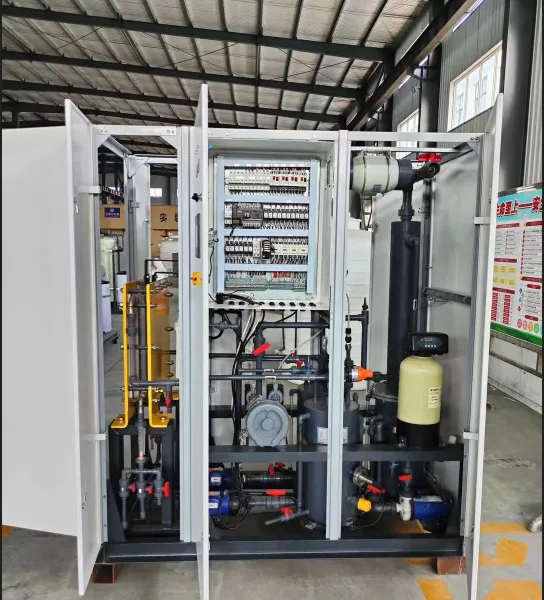
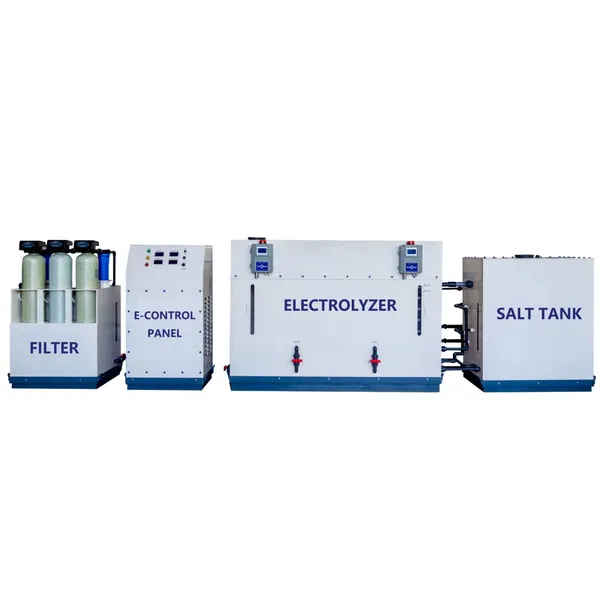
 12% High Concentration Sodium Hypochlorite Generator for Water TreatmentUS$ 50000MOQ: 1 Combo